
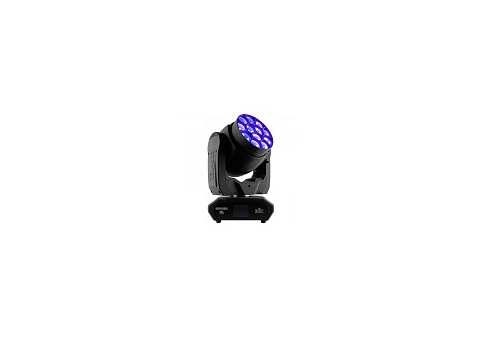
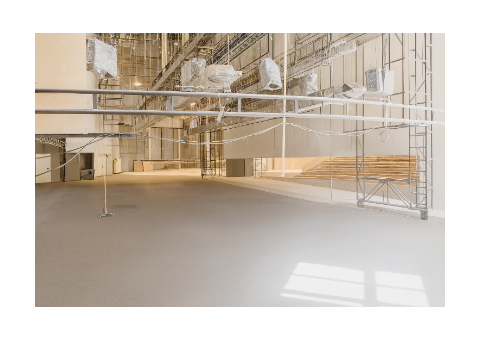


Lighting design starts from what the stage has to do — speech and presentation, drama, concerts, dance, broadcast — and works back to fixtures and positions. We choose conventional, LED and moving-head fixtures by beam angle, output and colour rendering, then place them photometrically so key, fill and back light land where the action is, with even front coverage for faces and cameras.
The control and power side is designed in parallel: DMX / RDM universes, dimming versus relay for LED loads, console and playback strategy, and house presets so staff can run standard scenes without a programmer. Electrical load, phase balancing and dimmer-rack sizing are calculated, not guessed.
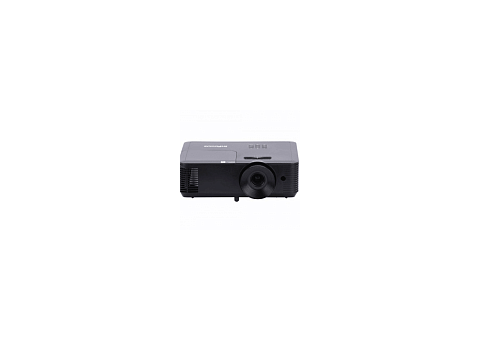
Rigging and safety are part of the design, not an afterthought: bar positions, hanging loads, working-load limits, access for focusing and re-lamping, and coordination with the acoustic reflectors, projection and loudspeaker clusters that share the ceiling. The deliverable is a lighting plot the installer and the operator can both work from.
Deliverables
- lighting plot & fixture schedule
- photometric coverage
- DMX/RDM & control concept
- dimming/power & load calculation
- rigging positions & load notes
- house presets and operator scenes.
Workflow
01
Stage use cases
02
fixture selection & photometrics
03
control & power design
04
rigging & safety coordination
05
install, focus, presets, handover.
Why Acoustic Delta
Acoustic Delta keeps acoustic targets, system design, documentation and commissioning in one engineering workflow, so the installed result can be checked against measurable criteria.