



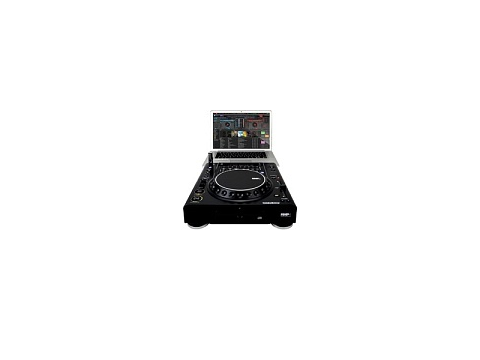
Equipment specification is where a project’s budget is won or lost. The right list delivers exactly the performance the room needs and nothing it does not; the wrong list either overspends on capability that never gets used or, more often, saves money on a component that quietly limits the whole system. We specify equipment from the requirement down, so every item on the list earns its place.
From requirement to bill of materials
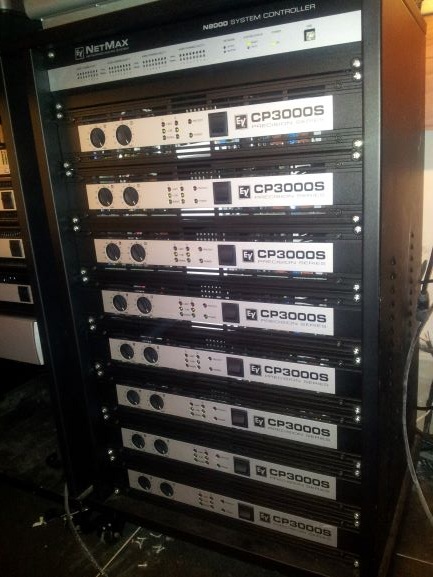
We begin with what the room has to do — coverage, level, intelligibility, the sources and destinations, the way staff will operate it — and translate that into technical criteria. Loudspeakers are chosen against a coverage and headroom target, amplifiers sized to the load with margin, processing selected for the channel count and features actually required. The result is a bill of materials with quantities, part numbers and the reasoning behind each choice.
Vendor-neutral and compatible
We are not tied to a single manufacturer, so selection is driven by fit rather than by what is easiest to supply. Just as important, we check that the parts work together as a system: connector and signal formats, control protocols, power and rack space, and firmware compatibility. A specification that lists excellent components which do not integrate is not a working specification.
Budget and lifecycle
Good specification respects the budget in front of it. Where funds are limited we prioritise the components that most affect the result and identify where standard parts serve as well as premium ones. We also flag lead times, spares and the upgrade path, so the choice made today does not become a dead end in two years.
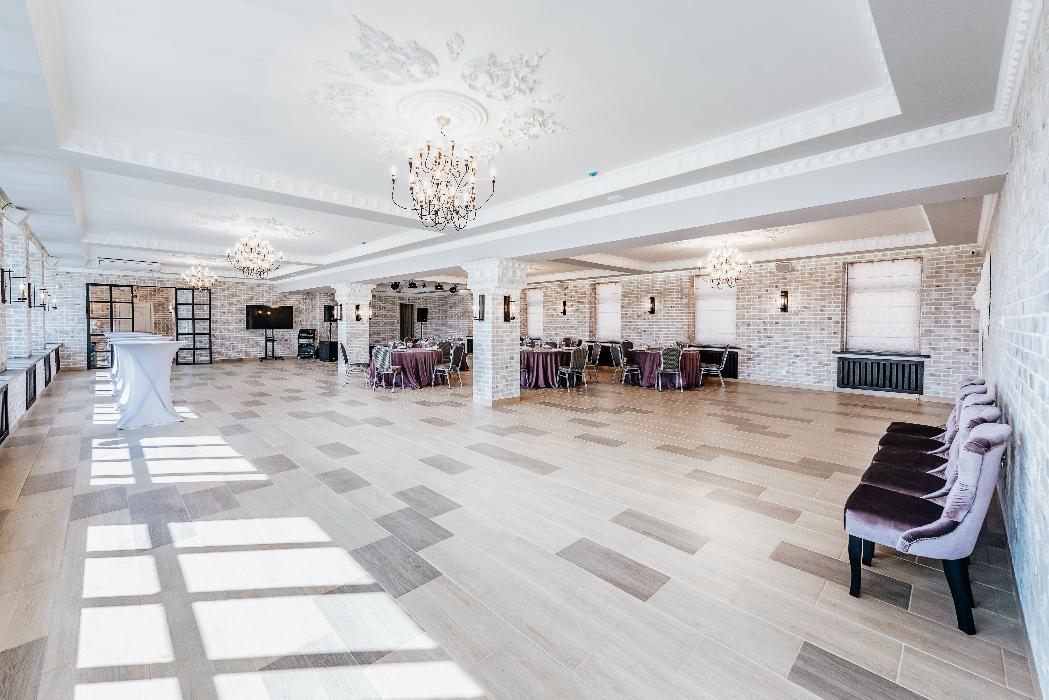
Send us the room and the budget, and we will specify equipment that meets both.