

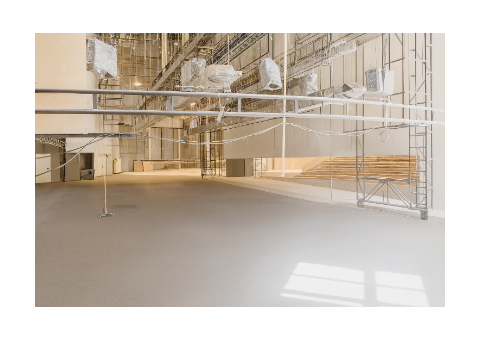


EASE modelling builds a geometric and acoustic model of the venue and simulates the real system inside it. Using manufacturer GLL loudspeaker data we map sound-pressure coverage across the audience, predict STI / %Alcons seat by seat, and test direct-to-reverberant ratio and arrival times. The model answers the questions that cost money to get wrong on site: which loudspeaker, mounted how high, aimed at what angle, with which delay and EQ.
Because the model uses measured loudspeaker balloons and the calculated room acoustics, it exposes problems early — uneven coverage, intelligibility holes under balconies, comb filtering from overlapping sources, feedback-prone microphone zones. We iterate on aiming and product choice in the model until the coverage and STI maps meet the target.
For voice-alarm and public-address systems the same model documents that the design meets intelligibility requirements, which matters for sign-off under EN 54-16 / EN 60268-16. The deliverable is a decision tool with maps and a parameter set the installer can dial in directly.
Deliverables
- 3D acoustic model
- SPL coverage maps
- STI / %Alcons maps per zone
- loudspeaker selection, height & aiming angles
- delay/EQ strategy
- auralisation on request
- intelligibility compliance documentation.
Workflow
01
Geometry & acoustics into model
02
loudspeaker GLL placement
03
coverage & STI simulation
04
iterate aiming/product
05
export aiming data & report.
Why Acoustic Delta
Acoustic Delta keeps acoustic targets, system design, documentation and commissioning in one engineering workflow, so the installed result can be checked against measurable criteria.