



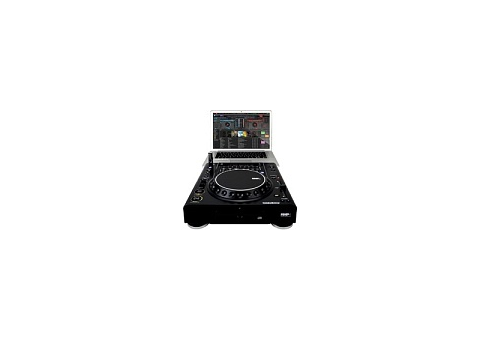

Professional audio equipment should be selected as a system, not as a collection of unrelated devices. Room size, acoustics, listening distance, programme material, mounting method, serviceability and future expansion all affect the final specification.
We supply and integrate professional audio solutions for permanent installations and mobile applications throughout Europe. The scope can range from an individual loudspeaker or mixer to a complete engineered system with documentation and commissioning.
Equipment categories
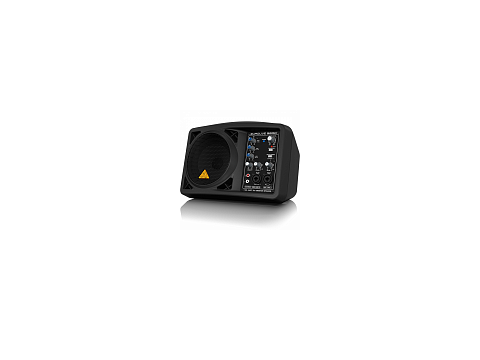
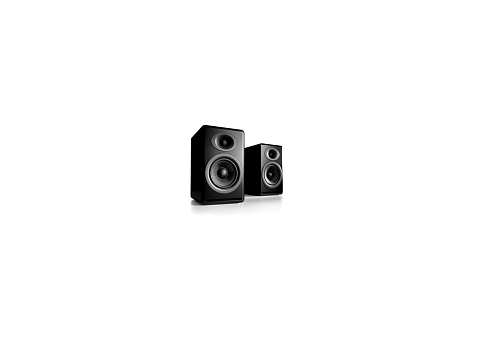
- active and passive loudspeaker systems
- subwoofers and stage monitors
- amplifiers, DSP processors and audio matrices
- digital and analogue mixing consoles
- wired and wireless microphones
- conference and discussion systems
- networked audio, playback and signal distribution
- racks, cabling, connection panels and mounting accessories
Solutions for different venues
Theatres and concert halls require speech, music, monitoring and stage communication. Conference rooms combine microphones, DSP, video conferencing and simple control. Restaurants, hotels and retail spaces use zoned background music. Sports facilities need high intelligibility and reliable coverage over large areas.
Engineering before equipment selection
For demanding spaces we calculate coverage, sound-pressure level and speech intelligibility before choosing models. The specification includes compatible amplification, processing, signal routing, mounting and infrastructure. This reduces overspending and prevents gaps that become expensive during installation.
Supply, installation and commissioning
The service can include procurement, logistics, installation, DSP programming, measurements, commissioning and user documentation. For renovations we first identify which existing components can be retained and where an upgrade will deliver a measurable improvement.
A system designed for daily operation
Reliable equipment is only one part of the result. Clear control, service access, sensible protection and documented settings are essential for staff who use the system every day.
How to choose a professional loudspeaker system
The choice between point-source loudspeakers, compact line arrays, distributed ceiling systems and column loudspeakers depends on the geometry and acoustics of the room. Coverage angle, maximum sound pressure, directivity, rigging options and visual impact must be considered together. A powerful loudspeaker in the wrong position creates uneven levels and excessive reflections, while a correctly distributed system can provide clear speech and balanced music at a lower overall volume.
For halls and theatres we compare the front rows, balconies, under-balcony areas and side seating separately. In hotels, restaurants and retail spaces, zoning and discreet integration are often more important than peak output. Outdoor and sports applications require weather protection, controlled projection over distance and reliable mounting. The final model is selected only after these conditions have been checked.
Amplification, DSP and audio networks
Amplifiers and digital signal processors determine how safely and consistently the loudspeakers operate. The design includes power reserves, limiter settings, crossover filters, delay alignment, equalisation and monitoring. For multi-zone systems, an audio matrix distributes sources to different rooms and allows each zone to have its own volume, schedule and priority announcements.
Dante, AES67 and other network-audio technologies can reduce analogue cabling and make large systems easier to expand. At the same time, network architecture must include managed switches, addressing, clocking, access control and a documented recovery procedure. A professional system should remain understandable to a service engineer several years after commissioning.
Mixing consoles, microphones and signal sources
A mixing console is selected according to the number of inputs, monitor mixes, operator experience, recording needs and visiting productions. Fixed installations may use an automatic mixer or touch-panel presets, while theatres and concert venues need flexible routing, snapshots and remote stage boxes. Wired and wireless microphones are chosen for the speaker, instrument, room and local radio-frequency environment.
Wireless systems require coordinated frequencies, suitable antenna distribution and a plan for rechargeable batteries. Playback computers, media players, conferencing devices and guest connections should enter the system through protected, clearly labelled interfaces. This prevents improvised adapters and incorrect levels from becoming daily operational problems.
Installation and commissioning
Before installation we prepare equipment lists, signal-flow diagrams, rack layouts, cable schedules, mounting details and power requirements. Loudspeaker suspension points are checked with the building structure, while racks are planned for ventilation, service access and future expansion. Cables and connection panels are labelled consistently with the project documentation.
Commissioning includes polarity and line checks, amplifier and DSP programming, delay alignment, system equalisation and measurements in the listening areas. We save protected operating presets and verify speech, music and emergency-priority scenarios. The completed system is handed over with drawings, settings backups and practical instructions for the people who will use it.
Budget, service and total cost of ownership
The lowest purchase price does not always produce the lowest project cost. Availability of spare parts, warranty conditions, energy use, software support, rigging accessories and the time required for troubleshooting all influence the long-term result. We therefore compare solutions by performance, compatibility, serviceability and expected operating life, not only by the price of individual products.
A clear technical brief allows us to prepare alternatives at different budget levels without losing the essential design goals. Send room plans, dimensions, audience capacity, intended uses and information about existing equipment. On this basis we can recommend a compatible system, define the installation scope and prepare a transparent proposal.
Send the floor plan, photographs and operating scenarios. We will prepare a suitable equipment specification and a proposal for supply or implementation.

